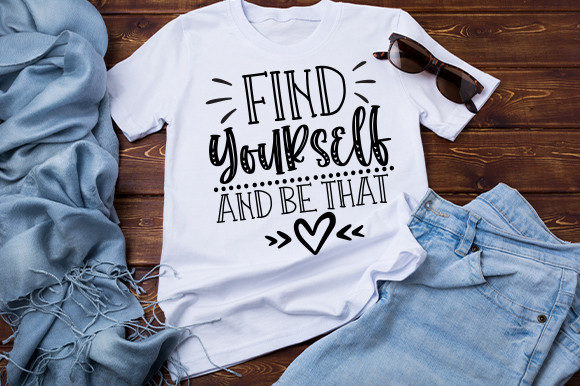
A Designer's Take on the Find Yourself Embroidery Design
When a new embroidery file lands in my digital toolkit, I judge it with my hands, not just my eyes. I think about how it will look after stitching, how it will feel on fabric, and what kind of story it tells to a customer. Today, I’m looking at the Find Yourself and Be That design as if I’m preparing it for a real project, perhaps a custom tote bag for a boutique or a personalized sweatshirt for a client.
The Immediate Mood and Visual Personality
The phrase Find Yourself and Be That carries a quiet, confident energy. It’s not loud or flashy; it’s introspective and affirming. This isn’t a design for a bold, graphic statement piece, but rather for a thoughtful gift or a personal item. The layout, assuming a clean typographic approach, suggests a project where clarity and sentiment are paramount. It feels modern, minimal, and perfectly suited for a handmade product where the message is the hero. I can immediately picture it on a linen tea towel in a calm kitchen or elegantly stitched onto a soft baby blanket for a nursery.
Where This Design Finds Its Best Home
In practical use, this design excels on projects where the text is meant to be read and reflected upon. It’s a natural fit for custom apparel like relaxed-fit t-shirts and cozy sweatshirts, where the wearer embraces the message. For small business merchandise, such as an embroidered patch on a canvas apron or a neatly stitched pillow cover, it adds value through its meaningful content. It’s also strong for personalized gifts—think a monogrammed tote with this phrase for a friend embarking on a new journey. The design’s personality aligns well with boutique branding that values authenticity and craft.
Performance in Real Embroidery Situations
Translating a digital file into stitches is where theory meets reality. For Find Yourself and Be That, stitch clarity will be crucial. Small lettering, if present, demands careful attention to stitch density and stabilizer choice. On a textured fabric like a cotton tote, a slightly denser fill stitch might be needed for clean edges, whereas on a smooth baby garment, a lighter touch could preserve softness. The design likely benefits from a balanced satin stitch for bold letters or a clean running stitch for finer details, creating a professional finish that enhances the handmade presentation.
This design can elevate a product’s perceived value. A neatly embroidered cap or a kitchen towel with this phrase feels intentional and giftable. For an Etsy seller or creative entrepreneur, it offers a design asset that customers connect with emotionally, fostering engagement and trust. It supports brand consistency for a shop focused on mindfulness or personal growth.
Caution Areas and Practical Considerations
However, some applications require extra care. If the design has intricate corners or very tiny lettering, I’d avoid using it on highly curved surfaces like caps without thorough testing. Stretchy fabrics or dark backgrounds demand excellent thread color contrast and robust stabilization to prevent distortion or visual fade. For products destined for frequent washing, such as a child’s item, I would ensure the stitch structure is secure and the thread choices are durable.
It’s also wise to consider scale. A large hoop on a sweatshirt back might make the statement powerful, but a small hoop on a delicate item like a handkerchief could render the text too cramped to appreciate. Always test on scrap fabric first.
Designer Notes for a Successful Project
Before loading this file into the machine, my checklist is practical. I always test the embroidery design on a scrap of the actual project fabric first. This reveals how the thread colors interact with the material, whether the stitch density is appropriate, and if any small details need adjustment. Checking the provided file formats—like the SVG, EPS, and PNG files mentioned—for compatibility with your software and machine is a non-negotiable first step.
I also create simple black and white mockups and compare how the design reads on both light and dark fabric backgrounds. This informs my thread palette. Crucially, I verify the licensing terms for this digital embroidery file. Since it’s categorized under Crafts and Graphics, understanding whether it’s cleared for commercial embroidery projects, like selling finished tote bags or baby clothes in my small shop, is essential for professional use.
Turning a File into a Beloved Finished Product
The ultimate goal is a finished product that feels special. The Find Yourself and Be That design, when executed well, contributes to that feeling. Its appeal isn’t in complex decorative accents, but in its clean execution and resonant message. For an apparel decorator or a crafter making holiday gifts, it offers a versatile theme that can be adapted across seasons. It’s a design that asks for professionalism in stitching to match the sincerity of its words.
In my view, this design asset is a solid choice for makers who value meaning alongside craftsmanship. It’s not a one-size-fits-all graphic for every project, but for the right project—a thoughtful gift, a personal statement piece, or a boutique product line with a soul—it can stitch up beautifully.