A Royal Embroidery Project You’ll Want to Crown
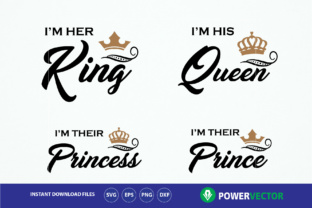
When a client asked me for a custom embroidered sweatshirt for her family’s holiday portrait, the King Queen Princess Prince design landed in my inbox. It wasn’t just another file; it was a theme. My first impression wasn’t about the technical specs—it was about the mood. This design instantly creates a feeling of playful royalty and family unity. The layout is straightforward, with clear, bold crowns and titles, giving it a confident and celebratory personality. It feels destined not for a fussy, delicate project, but for something meant to be worn, loved, and shown off.
Where This Design Finds Its Kingdom
In practical terms, this embroidery design belongs on items that tell a story. I immediately envisioned it on a cozy fleece sweatshirt, the satin stitch of the crowns shining against the fabric. But its true strength is its versatility across a royal court of products. Think of a simple cotton tote bag for a proud mom, an apron for the ‘king’ of the grill, or a soft baby blanket for the little ‘prince’ or ‘princess’. It’s perfect for personalized gifts—think wedding party favors or anniversary tees—and as reliable, recognizable merchandise for a small shop or Etsy seller focusing on family themes. The clean, graphic nature also makes it a strong candidate for creating embroidered patches or for crisp applique work on caps, though the flat surfaces of bags, pillow covers, and kitchen towels might be its most natural kingdom.
Stitching Reality: Where the Crown Rules and Where it Might Tip
Embroidery isn’about the file; it’s about how it performs in the hoop. For this design, the bold shapes are a major advantage. The crowns and lettering are likely to translate well into clean satin or fill stitches, maintaining clarity even on textured fabrics like sweatshirt fleece. However, this is where a designer’s practical judgment comes in. On very small hoop sizes, the details within the crowns and the smaller lettering could become a challenge, risking a loss of definition. You’d want to be cautious on thin or stretchy fabrics without proper stabilizer, as dense stitch areas might pull or distort. Dark fabric backgrounds require thoughtful thread color contrast to keep that royal feeling bright and legible.
The curved surface of a cap is a classic test. While the design could work, the layout’s horizontal flow might need careful placement to avoid awkward stitching over the seam. This is a design that thrives on a flat canvas. For products destined for frequent washing, like kids’ tees or kitchen towels, a robust stitch density and secure construction will be key to longevity. It’s not a fragile design, but it needs to be executed with respect for the final product’s life.
How It Elevates Your Handmade Product’s Appeal
From a business and presentation angle, this design does important work. Its immediate recognizability and cheerful theme boost visual appeal, making a finished product feel like a complete, thoughtful item rather than just random stitching. That clarity builds customer trust—they see a professional, coherent design. For a crafter, it supports brand consistency if you specialize in family-centric or celebratory goods. As a gift, it’s highly giftable; it personalizes a product without requiring custom artwork from the buyer. For an Etsy seller, it creates strong, engaging printable mockups for your listings, showing the value instantly.
Ultimately, it turns a simple garment or accessory into a statement. That perceived value translates directly into buyer engagement and, for commercial embroidery projects, into a reliable, repeatable asset for your digital library.
The Designer’s Notebook: Practical Steps Before You Stitch
Before you load this file for a real client project or craft fair merchandise, do your due diligence. Always test on scrap fabric first, ideally the same type you plan to use for the final product. This reveals everything: how the thread colors contrast, whether the stitch density feels right, if any small details like crown points get lost. Check your hoop size compatibility; don’t assume it will fit your smallest hoop.
Inspecting the design in black and white mockups, or comparing how it looks on both light and dark background ideas, is invaluable. It forces you to see it as shapes and contrast, not just colors. Use the proper stabilizer for your chosen fabric—this is non-negotiable for professional results.
Finally, confirm the licensing terms. Since this is an instant download graphics product, understand clearly whether your intended use—selling the finished embroidered tote bags or baby clothes, for example—falls under personal or commercial use. Never guess on this; it protects your craft business. The file formats provided offer flexibility, but for embroidery, you’ll be working from the specific embroidery file format you have, ensuring it’s compatible with your machine before committing to a project.
Approaching the King Queen Princess Prince design with this realistic, hands-on mindset ensures your final embroidered product isn’t just a cute idea, but a crowned success.